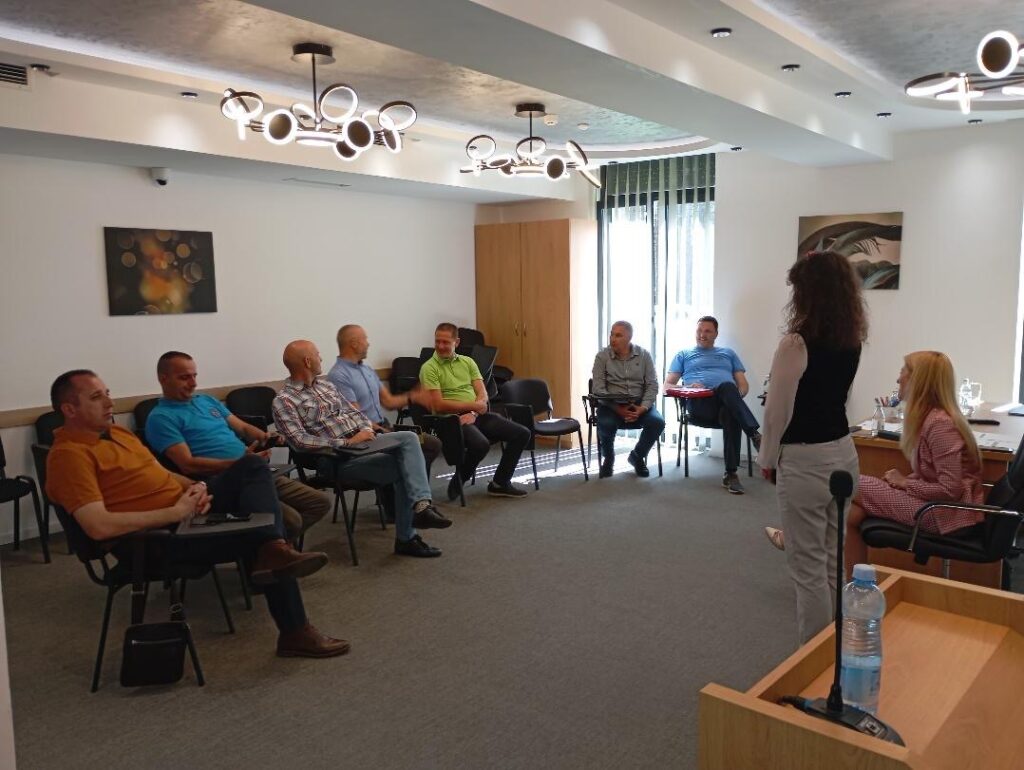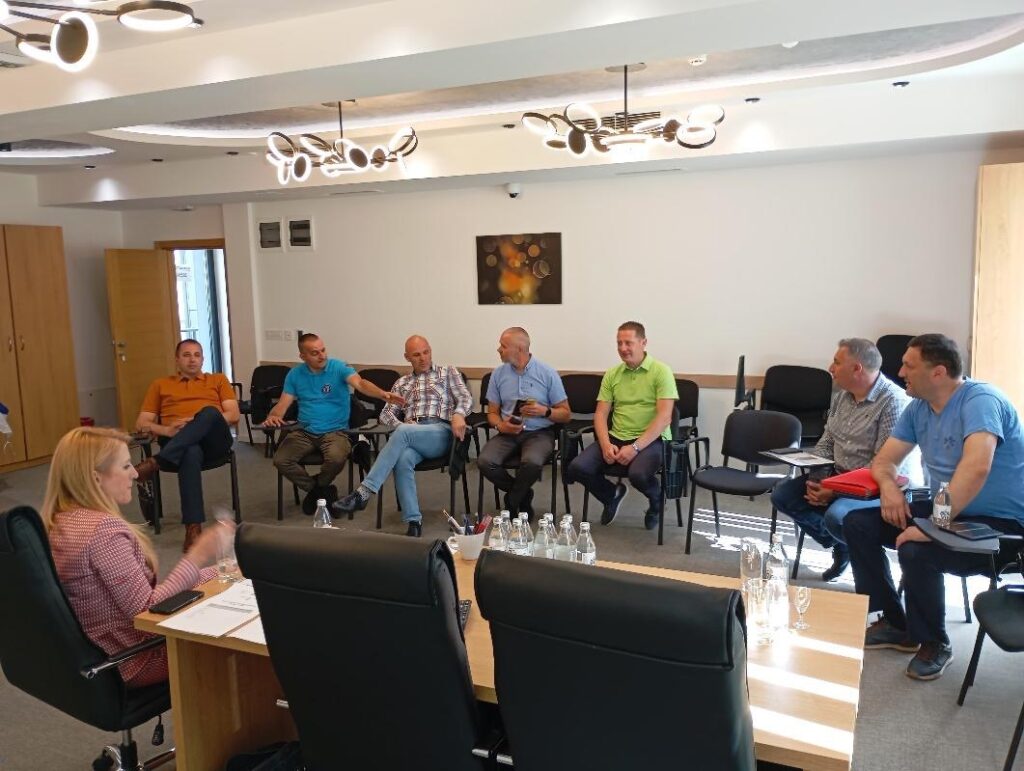
On 31 May 2025, the European Development Academy implemented the first phase of the project Intercultural Dialogue for Future Cooperation of Police Unions within Public
Sector Social Dialogue in Užice, Serbia, bringing together police union representatives
from four countries for a structured developmental activity focused on future cooperation
in social dialogue.
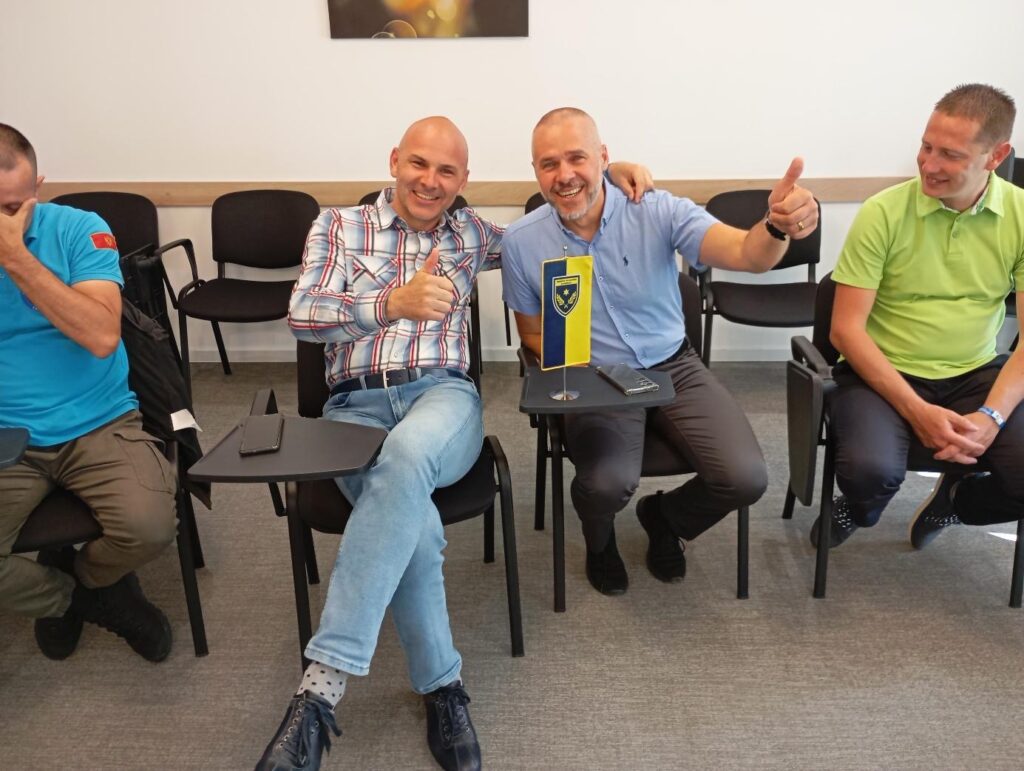
Hosted by SSP, Serbian Police Union, the activity brought together representatives of police unions from Serbia, North Macedonia, Slovenia, and Montenegro. Participating organisations included SSP – Sindikat srpske policije, SPM – Sindikat na Policijata vo Makedonija, SPS – Sindikat policistov Slovenije, and NSPCG – Nezavisni sindikat policije Crne Gore. Together, these organisations represent public sector employees in policing and contribute to institutionalised social dialogue in their respective national contexts.
The activity was designed as a preparatory and developmental step aimed at strengthening the capacity of police union representatives to engage in respectful, inclusive, and effective dialogue across different professional, organisational, and cultural environments. It responded to a practical need that is highly relevant across the region: meaningful cooperation in public sector social dialogue depends not only on formal structures and legal mandates, but also on the ability to understand differences in organisational culture, communication styles, hierarchy, and institutional expectations.
In Užice, participants worked within a structured intercultural dialogue format that combined guided reflection, peer exchange, and collaborative discussion. The methodology was based on participatory and experience-based learning and created a professionally safe space in which participants could compare institutional realities, reflect on challenges they face in practice, and identify common areas for future cooperation. Particular attention was given to the role of trust, mutual understanding, and reflective competence in strengthening the quality of dialogue among public sector actors.
The discussion remained firmly connected to practice. Participants explored how organisational culture and communication patterns influence cooperation, how different national contexts shape the role of police unions, and how structured dialogue methods can help create stronger foundations for future collaboration. The activity also introduced practical approaches to peer learning and reflection that can be transferred into the participating organisations and used in future cross-border cooperation.
Importantly, the meeting in Užice was the first phase of a broader developmental process. The activity resulted in an initial mini needs analysis for each participating organisation, the first outlines of action plans for future cooperation, and the identification of priority themes for continued joint work. Just as importantly, it helped establish a shared professional framework in which participating unions could begin developing common approaches to social dialogue in the public sector.
The project will continue with a second phase in Slovenia, hosted by the European Development Academy. This next stage will focus on refining and aligning the initial action plans, adapting dialogue tools to national contexts, and preparing a shared professional summary of methods for further use. In this way, the project serves as a foundation for future national, regional, and European cooperation in the fields of social dialogue, institutional development, and public sector capacity-building.
The implementation of this activity in Užice demonstrates the ability of the European Development Academy and its partner police unions to jointly design and deliver international, participatory, and professionally grounded activities that combine intercultural learning, reflective practice, and institutional relevance. As such, it provides a strong basis for future initiatives under European and international programmes supporting adult learning, social dialogue, institutional cooperation, and the quality of public administration.